What Is PRP?
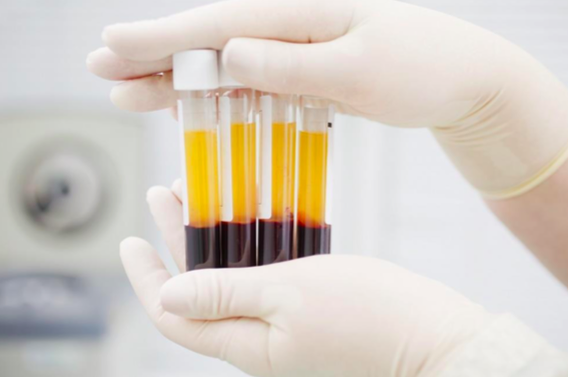
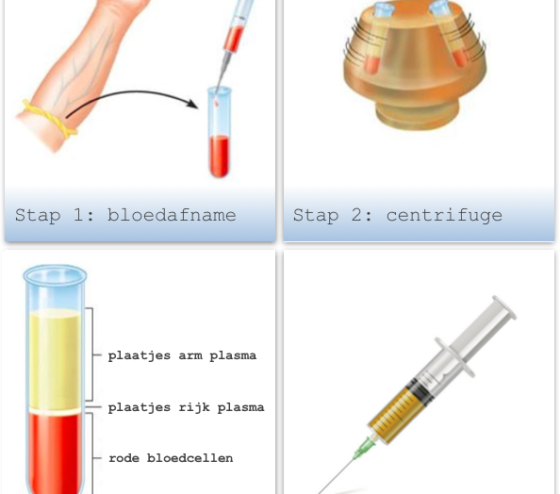
PRP is an abbreviation for Platelet Rich Plasma. PRP is derived from your own blood, which is why the treatment is often referred to as the “Vampire Facelift.” After a small amount of blood is drawn, the plasma is filtered and concentrated to obtain PRP, which contains a high concentration of platelets.
Platelets are rich in more than 30 bioactive proteins, many of which play a crucial role in blood clotting, tissue repair, and wound healing. When PRP is injected into the skin, the platelets become activated and release growth factors that stimulate skin cells. This process improves blood circulation, enhances collagen production, and supports natural skin regeneration.
The effect of PRP is often described as “an espresso shot for the skin” due to its powerful revitalizing properties. Because platelets do not have a cell nucleus, they cannot multiply, making PRP a safe and natural treatment option for skin rejuvenation.
The Difference Between PRP and PRF
Both PRP (Platelet Rich Plasma) and PRF (Platelet Rich Fibrin) are popular treatments for skin rejuvenation and tissue regeneration using your own blood. The main difference lies in their composition and the way growth factors are released.
PRP is a liquid form of plasma with a high concentration of growth factors that provide a rapid stimulation of collagen production and cell renewal. PRF, on the other hand, is a more advanced technique that includes fibrin, allowing growth factors to be released more slowly and over a longer period of time.
Thanks to this sustained release, PRF works more intensively and for a longer duration than PRP, with a stronger focus on skin tightening and tissue repair. PRP is ideal for a quick skin boost, while PRF is particularly suitable for long-term skin improvement and natural rejuvenation.
What Treatments Are Possible with PRP and PRF?
PRP and PRF treatments are widely used for skin rejuvenation, hair restoration, and intimate health concerns.
They are effective for treating early signs of skin aging, such as fine lines, wrinkles, pigmentation, and skin laxity. By stimulating collagen and elastin production, PRP and PRF visibly improve skin texture, firmness, and overall complexion. These treatments also support natural skin healing and are beneficial for scars, including acne scars.
In addition, PRP and PRF are commonly used for hair loss and thinning hair, where they activate hair follicles and stimulate natural hair growth. PRP and PRF can also help relieve vaginal dryness and reduced sensitivity in the intimate area by improving blood circulation, hydration, and tissue quality.
Because these treatments are based on the body’s own blood, they are safe and provide gradual, natural-looking results.
EZ Gel for Skin Rejuvenation: Natural Firming and Subtle Volume
EZ Gel is derived from your own blood, similar to PRP and PRF, and consists of a concentrated combination of plasma and fibrin. Through a controlled process of heating and cooling, a completely natural gel is created from your own blood.
EZ Gel stimulates the skin from within and supports the body’s natural repair processes, resulting in visibly fresher, firmer, and healthier-looking skin. This treatment is ideal for individuals who want to improve skin quality naturally, without choosing traditional dermal fillers.
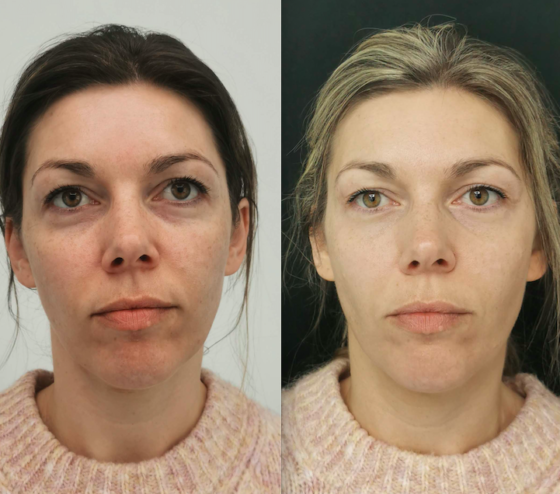
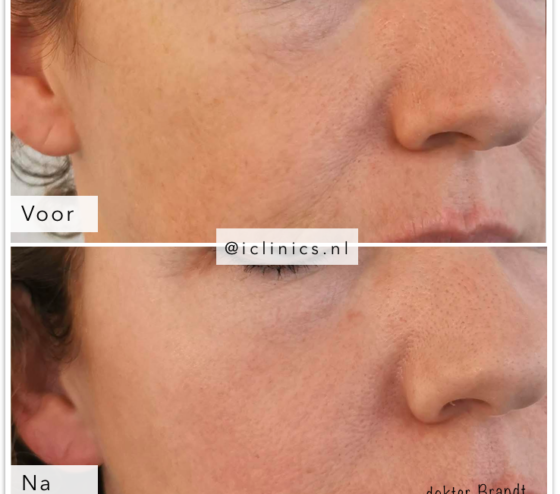
With repeated EZ Gel treatments, a subtle volumizing effect may occur—not by “filling” volume, but by strengthening and thickening the skin itself. The skin becomes more resilient and firm, softening facial contours and creating a naturally lifted appearance. EZ Gel shows particularly beautiful results in areas such as dark circles under the eyes, the cheeks, and the lips.
Single Treatment or Treatment Course?
A single PRP treatment already provides a noticeable boost to skin quality by activating the skin’s natural repair mechanisms. Even after one session, improvements in skin texture and circulation can be seen due to the formation of new supportive tissue.
However, the best and most long-lasting results are typically achieved with a treatment course of 3 to 6 sessions, depending on your individual goals and desired outcome.

Rated with a 4.9/5.0 on Google reviews
44+ clients have rated us with a 4.9